Engineered for Chicago's Demanding Weather Conditions and Intensive Commercial Operations
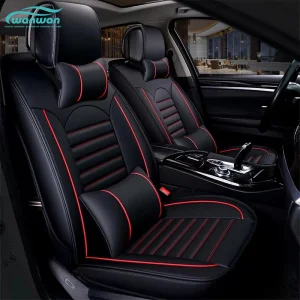
Analysing geographic, industrial, and climate factors driving protective automotive interior demands.
The Greater Chicago Metropolitan Area, commonly known as Chicagoland, serves as the primary logistics backbone of North America. Intersected by six Class I railroads, major transcontinental interstate highways (I-90, I-94, I-80, I-55), and anchor shipping hubs like O'Hare International Airport, this region experiences an exceptionally high density of commercial transit. Local fleet operations—ranging from last-mile e-commerce delivery vans and regional shipping transport to municipal service vehicles and extensive ridesharing networks—operate continuously in some of the most challenging environmental conditions in the United States.
From a meteorological perspective, Chicago's climate falls under the humid continental classification (Köppen *Dfa*), characterized by highly variable weather. Heavy winter snowfalls exacerbated by lake-effect moisture from Lake Michigan, severe salt treatment on roadways, humid summer heatwaves, and frequent precipitation cycles create a harsh operating environment. For commercial fleet owners and individual vehicle operators alike, protecting the vehicle's interior is not merely a matter of aesthetic preservation; it is a critical strategy for asset depreciation management and operational hygiene. Liquid ingress, salt residue, mud, and industrial soot can rapidly compromise factory upholstery, leading to costly replacements, persistent odors, and reduced resale value.
Consequently, the demand for high-performance, industrial-grade **waterproof seat covers** in Chicago has grown exponentially. Procurement managers are transitioning away from generic retail solutions in favor of scientifically engineered protective barrier materials. These systems must offer absolute impermeability to liquids, withstand intense abrasive force from constant ingress and egress, satisfy strict vehicle safety parameters (such as side-impact airbag compatibility), and withstand aggressive chemical sanitation protocols.
Connecting highly optimized Chinese manufacturing output with Midwest distribution centers for rapid inventory replenishment.
Utilizing multi-layered composite textiles, TPU barrier laminates, and eco-friendly DWR coatings to achieve performance longevity.
Incorporating precision breakout seams verified by computerized tensile testing to ensure zero interference with side airbags.
Deconstructing the engineering, fabrics, coatings, and safety protocols behind high-performance barriers.
Modern automotive seat protection has evolved far beyond simple canvas throws. Achieving a balance of absolute waterproof performance, breathability, safety compliance, and aesthetic integration requires sophisticated textile engineering. Manufacturers must deploy layered composite materials tailored for specific mechanical demands.
The integration of side-impact airbags inside vehicle seats introduces a significant safety consideration for cover manufacturers. Installing a heavy-duty, unyielding fabric barrier over the seat can prevent or delay airbag deployment during a collision.
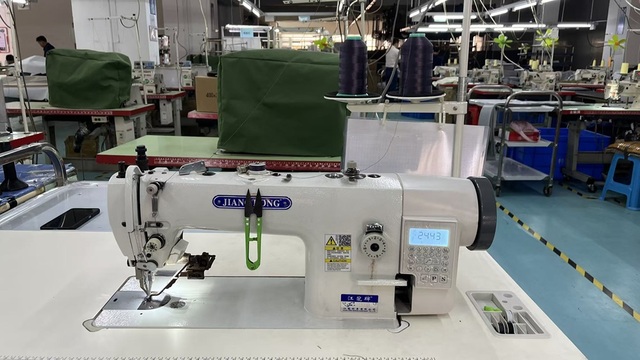
To address this safety requirement, advanced manufacturers utilize computerized sewing equipment equipped with thread tension monitors to construct a **breakout seam** at the airbag exit point. This specialized seam is sewn with precise thread counts and tension limits, allowing it to rupture instantly when the airbag deploys. Every production run undergoes rigorous dynamic deployment testing, conducted under temperature extremes ranging from -35°C to 80°C, to ensure full compliance with the Federal Motor Vehicle Safety Standard (FMVSS) 208 and European CE standards.
The future of automotive seat protection lies in the integration of functional smart materials and eco-friendly manufacturing processes.
Analysing the distribution logistics, quality control, and practical use cases in the Chicagoland market.
To understand the growth of the Chicago seat cover market, we must analyze the connection between global manufacturers and regional logistics networks. Industrial centers in China, such as the Hangzhou manufacturing cluster, provide the necessary design expertise, production capacity, and supply chain efficiency to satisfy the quality demands and volume requirements of the North American market.
Consider a parcel delivery fleet operating 500 step vans throughout Cook County, Illinois. Drivers enter and exit these vehicles up to 200 times daily, carrying rain, snow, road salt, and dirt into the cabin. Untreated seats can deteriorate within six months, leading to compromised foam padding and ergonomic issues.
By implementing customized, high-denier Oxford seat covers with reinforced double stitching and secure non-slip backing, fleet managers can extend the service life of factory seats by up to 300%. The covers are easy to remove and wash, reducing maintenance downtime. For these commercial fleets, the return on investment (ROI) is achieved through reduced cleaning costs and higher resale values at the end of the vehicle lease.
Beyond commercial uses, the Chicago region has a large market for outdoor recreation. In the spring and summer, outdoor activities along Lake Michigan, the Illinois River, and Wisconsin's state parks increase the demand for protective gear. Heavy-duty waterproof seat covers protect vehicles from sand, mud, and water, preserving the car's interior. In winter, these covers protect upholstery from road salt, slush, and snowmelt carried into the vehicle by drivers and passengers.
Hangzhou Xotiq Auto Co., Ltd. — Delivering OEM/ODM Automotive Solutions Globally
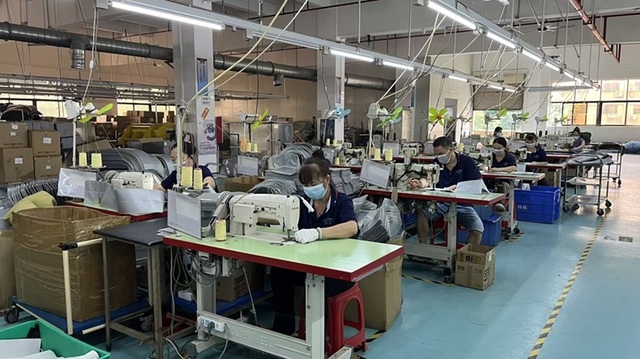
Hangzhou Xotiq Auto Co., Ltd. is a leading manufacturer specializing in the design, development, production, and global supply of premium automotive seating products and interior protection solutions. With years of experience and a focus on innovation, quality, and customer service, Xotiq Auto has become a trusted manufacturing partner for automotive brands, distributors, wholesalers, and aftermarket suppliers worldwide.
Our comprehensive product portfolio includes custom-fit and universal car seat covers, seat cushions, memory foam lumbar supports, neck pillows, waterproof seat protectors, pet seat covers, child seat protectors, and armrest cushions. These products are widely used in passenger cars, commercial vehicles, SUVs, trucks, electric vehicles, and commercial fleets.
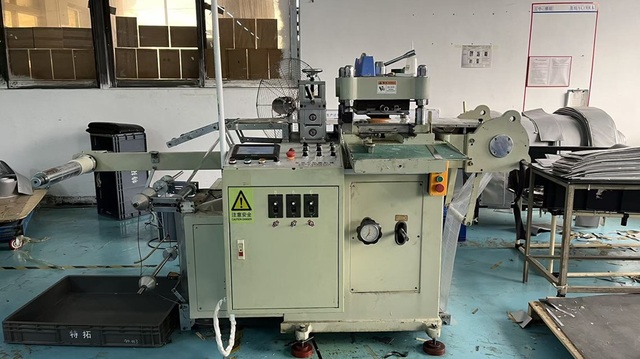
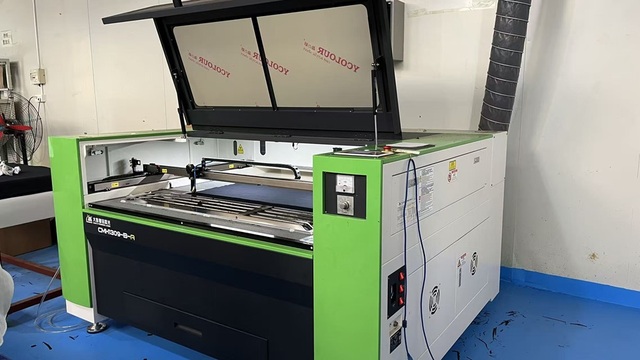
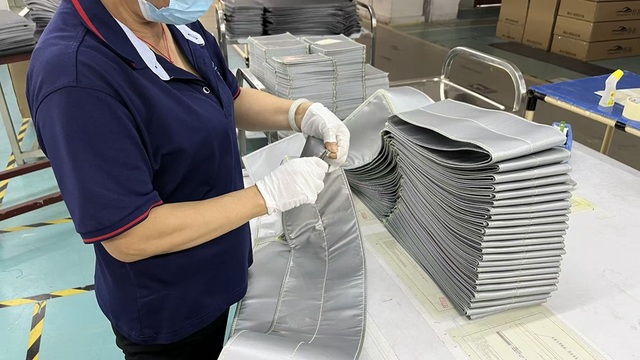
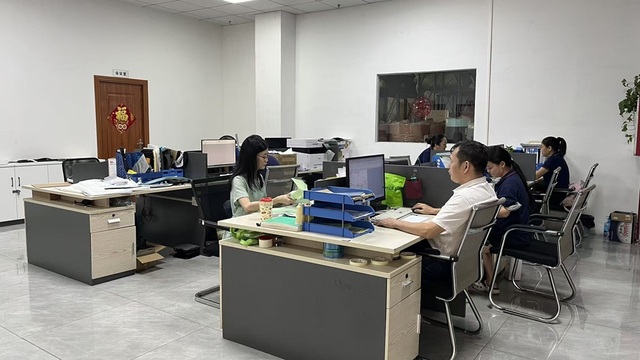
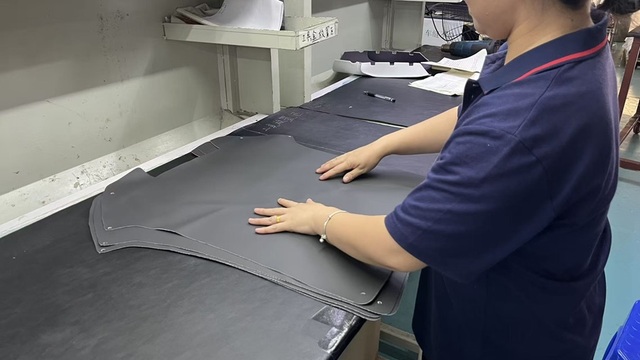
Supported by an experienced R&D team and advanced manufacturing facilities, we continuously develop innovative automotive seating solutions using high-quality materials and modern production technologies. Our focus on quality control extends from raw material selection to final inspection, ensuring product durability, precise fitment, and reliable performance. We also offer flexible OEM and ODM services to help customers develop customized products tailored to specific market demands and branding requirements.
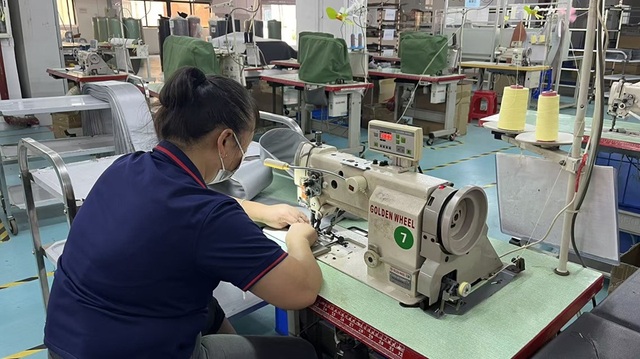
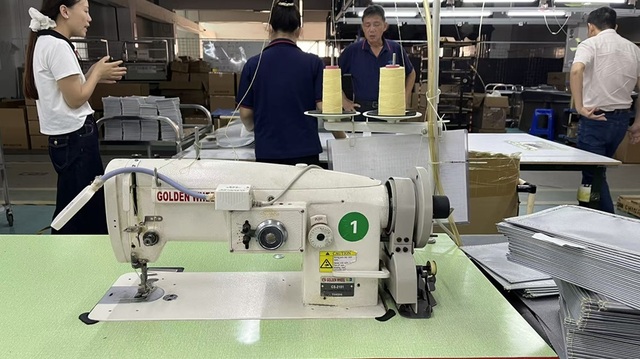
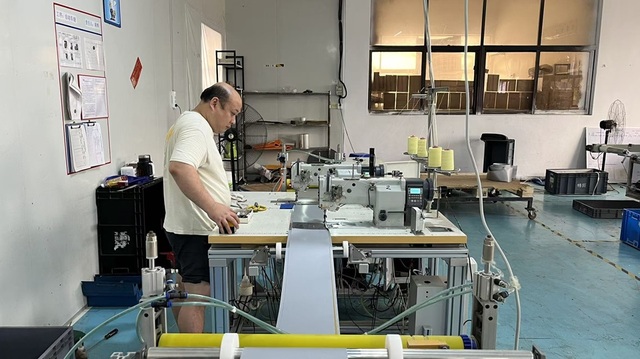
Expert insights on choosing, manufacturing, and importing automotive seat covers.
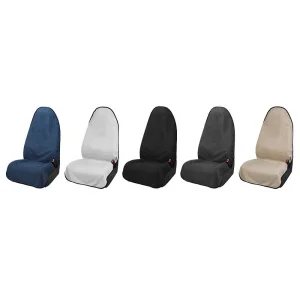
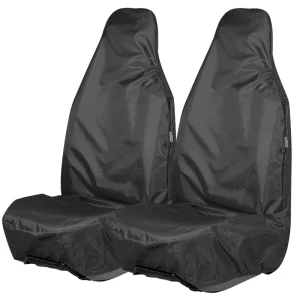
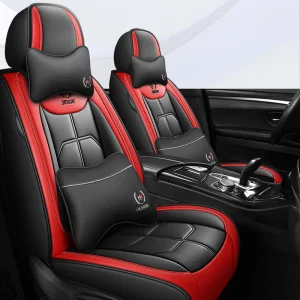
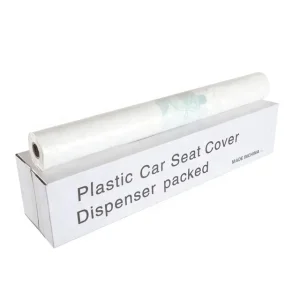
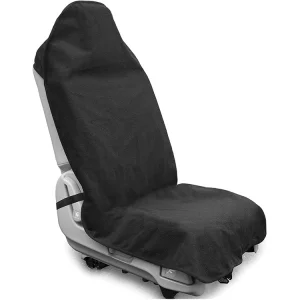
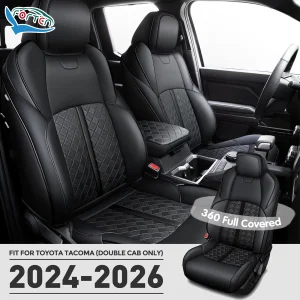
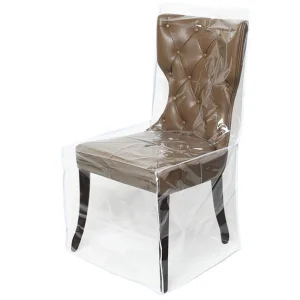
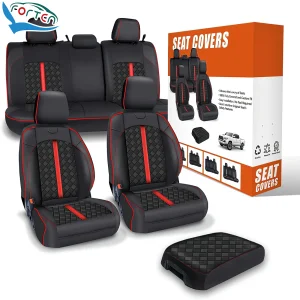
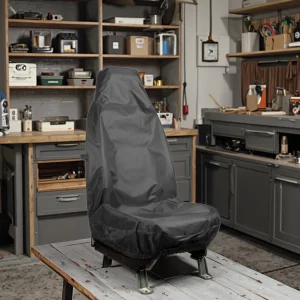
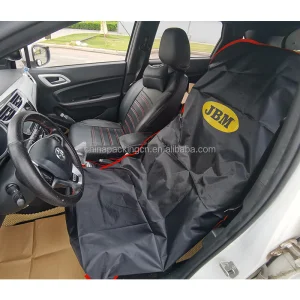
Explore our full line of waterproof protection options, from custom-fit truck covers to disposable repair protection kits.
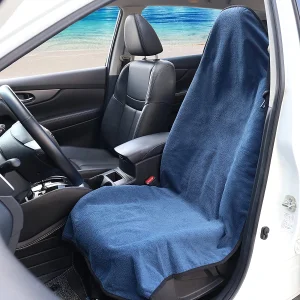
Contact Hangzhou Xotiq Auto Co., Ltd. today to request sample configurations, discuss custom-fit patterns, or obtain volume pricing for your distribution hubs in Chicago and across North America.
Send Inquiry Now Xotiq Auto