Xotiq Auto
1. Denmark’s Market Paradigm: The Rise of Nordic Workplace Ergonomics
In Denmark, employee wellbeing is not simply a HR preference; it is integrated into the nation's occupational health and safety regulations. The Danish Working Environment Authority (Arbejdstilsynet) outlines specific guidelines for workstations, ensuring that sedentary staff are shielded from chronic musculoskeletal disorders (MSDs). Back pain is documented as one of the leading causes of workplace absenteeism across Danish municipalities, including Copenhagen, Aarhus, Odense, and Aalborg. As a result, corporate procurement teams are prioritizing ergonomic interventions like dynamic sitting mechanisms, adjustable height desks, and anatomical lumbar cushions.
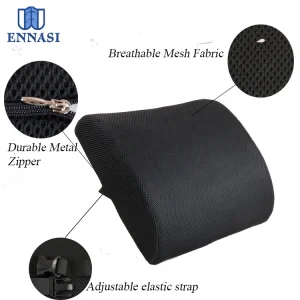
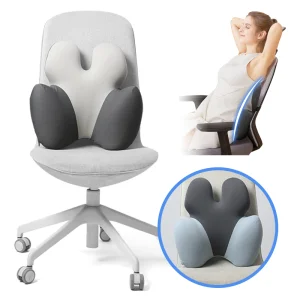
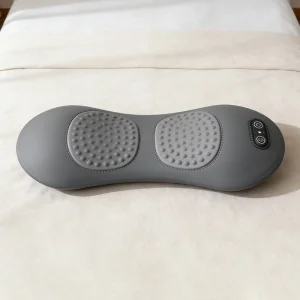
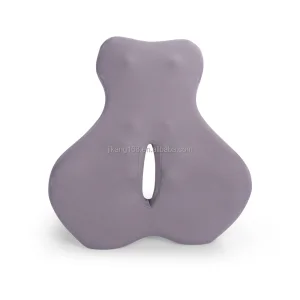
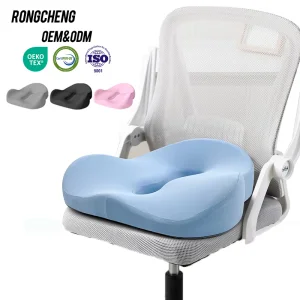
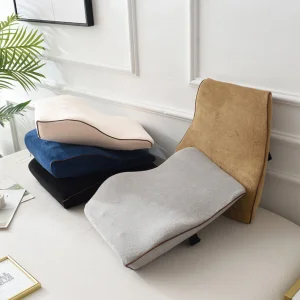
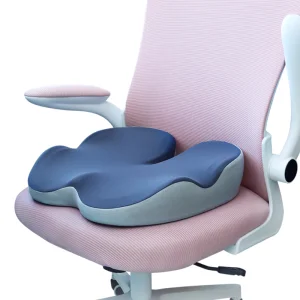
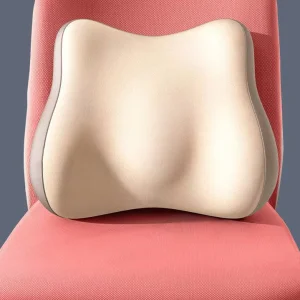
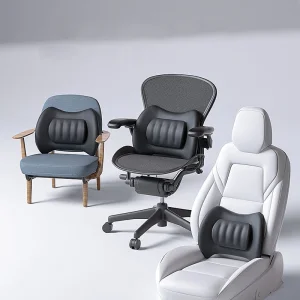
Danish workplace design is heavily influenced by the philosophy of Arbejdsglæde (happiness at work) combined with minimalist Scandinavian design aesthetics. Traditional bulky, visually intrusive orthopedic supports struggle to gain traction in modern Danish offices. Danish buyers seek clean geometric lines, neutral and dark textiles, and premium certifications. Our lumbar support cushions bridge this gap, integrating memory foam technology with high-density pressure distribution while remaining visually subtle and fitting for sleek Scandinavian office chairs.
Furthermore, Denmark's progress in sustainable transition drives demand for circular materials. Importers look for Oeko-Tex Standard 100 certification, REACH compliance, and recyclable components. Businesses that align their supply chains with sustainable manufacturing processes secure a distinct competitive edge when bidding for public sector tenders and corporate office fit-outs throughout Denmark.
2. Global & Local Supply Chain Dynamics: China to Denmark Trade Lanes
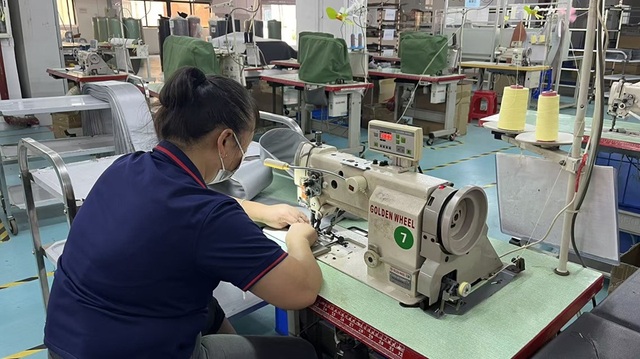
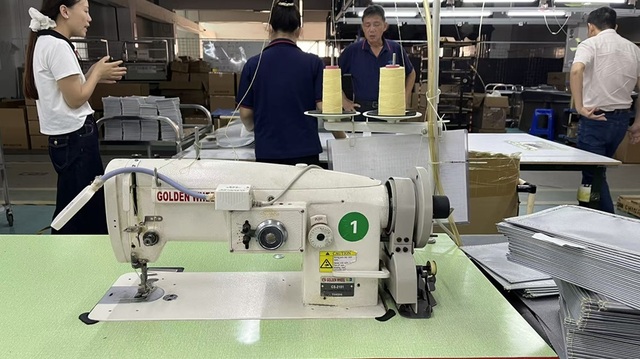
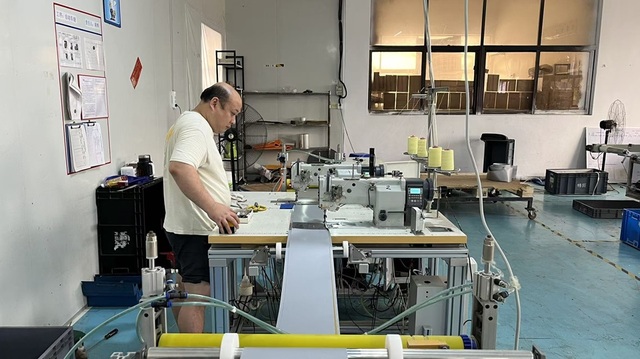
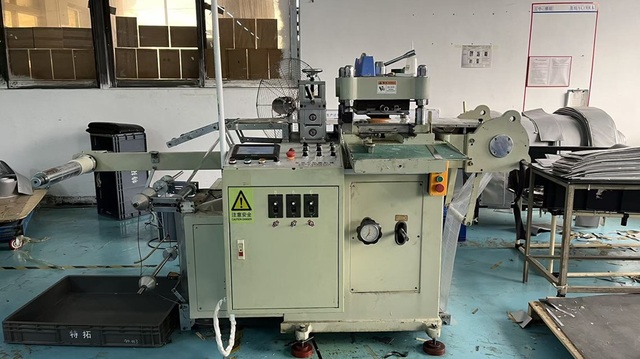
China is the global leader in polyurethane foam chemistry and advanced warp-knit textile manufacturing. Our manufacturing facility in Hangzhou leverages regional material chemistry corridors to formulate memory foam. Polyurethane foam requires precise controls over the ratio of polyols to isocyanates to achieve the desired cell structure. This technical precision is what determines the foam's durability, deflection characteristics, and temperature sensitivity.
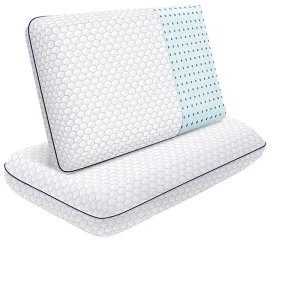
Transporting these volumetric goods across the 20,000 km maritime corridor from Ningbo or Shanghai to Denmark ports (such as the Port of Aarhus or the Port of Copenhagen) requires optimized shipping strategies. Uncompressed polyurethane cushions consist mainly of air, which can lead to high shipping costs per unit. To solve this, we employ high-ratio vacuum packaging systems. By compressing the cushions down to 25% of their original volume, we increase container utilization, lower ocean freight costs, and minimize the carbon footprint per unit. Once unloaded at Danish distribution centers, our viscoelastic foam recovers its original shape within minutes, maintaining its long-term physical characteristics.
3. Technical Analysis: The Biomechanics of Lumbar Lordosis Correction
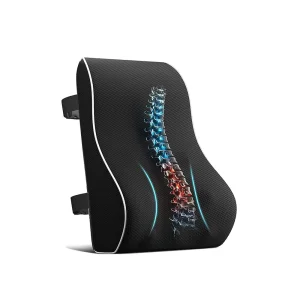
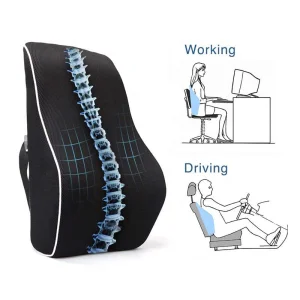
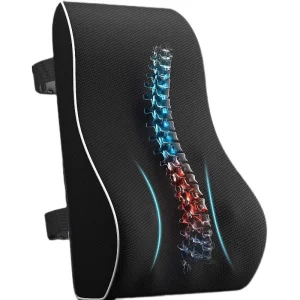
When an individual sits, the pelvis rotates backward, causing the natural curve of the lumbar spine (lordosis) to flatten. This posture increases pressure on the intervertebral discs, strains the surrounding soft tissues, and can lead to muscle fatigue and lower back pain. Ergonomic lumbar supports are designed to counter this pelvic tilt. By supporting the lower spine, they help maintain natural spinal alignment, reduce intradiscal pressure, and distribute weight more evenly across the seat back.
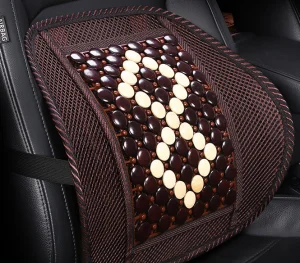
Our cushions feature advanced memory foam with a density range of 50 kg/m³ to 80 kg/m³. Lower density foams deform under light pressure, offering little support, while higher density foams can feel stiff in colder environments. Our formulation balances support and pressure relief, adjusting to body heat and pressure to match the shape of the user's spine. By distributing pressure away from the tailbone (coccyx) and lower spine, the cushion helps prevent hot spots and maintains blood circulation during long office hours or commutes.