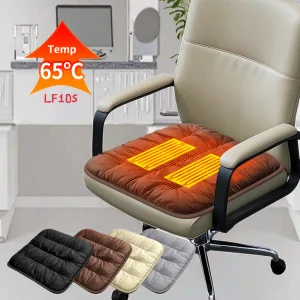
Designed to withstand extreme cold conditions down to -30°C. Optimized power draw profile compatible with modern EV electrical architectures.
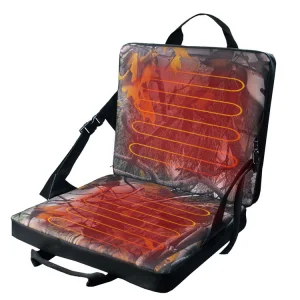


Norway presents one of the most challenging operating environments in the world for vehicular equipment, commercial logistics, and outdoor workwear. Stretching from the temperate southern coastlines to the harsh sub-zero realities of Svalbard and the Arctic Circle, temperatures consistently drop below -20°C to -35°C during winter. In these conditions, traditional space heating systems are highly inefficient and energy-intensive.
Particularly in Norway, where over 85% of new passenger vehicles are fully electric (EVs), thermal management has taken on a critical new dimension. Running a standard hot-air HVAC cabin heater in an EV during Norwegian winters can drain the high-voltage battery range by up to 25% to 35%. Targeted surface heating solutions—specifically premium, high-efficiency heated seat cushions and integrated heating pads—offer direct thermal transfer to the human body, providing immediate comfort while consuming only a fraction of the energy.
By shifting the primary heating load from ambient cabin air to direct surface heat conduction, Norwegian logistics fleets, commercial operators, and commuters can recover up to 15% of lost winter battery range. This thermodynamic benefit is driving a rapid, nationwide transition to industrial-grade aftermarket heated seat cushions across the Scandinavian commercial vehicle and machinery sectors.
 Xotiq Auto