When considering car safety, one often overlooks the importance of seat covers. The question arises: how often should car seat covers be replaced? This topic is essential for both protective and aesthetic reasons. Worn-out seat covers can compromise safety and comfort, affecting how drivers and passengers feel in a vehicle.
Over time, seat covers can degrade due to sun exposure, wear and tear, and spills. These changes not only diminish the look of your car’s interior but may also lead to hazardous situations. It’s not enough to wait for visible damage; proactive replacement can ensure better safety.
Experts suggest replacing seat covers at least every few years, depending on usage. However, a thorough inspection can indicate whether it’s time for a change sooner than anticipated. Remember, a proactive approach to your car's interior can significantly enhance safety. Regular checks and timely replacements reflect your commitment to maintaining a safe driving environment.
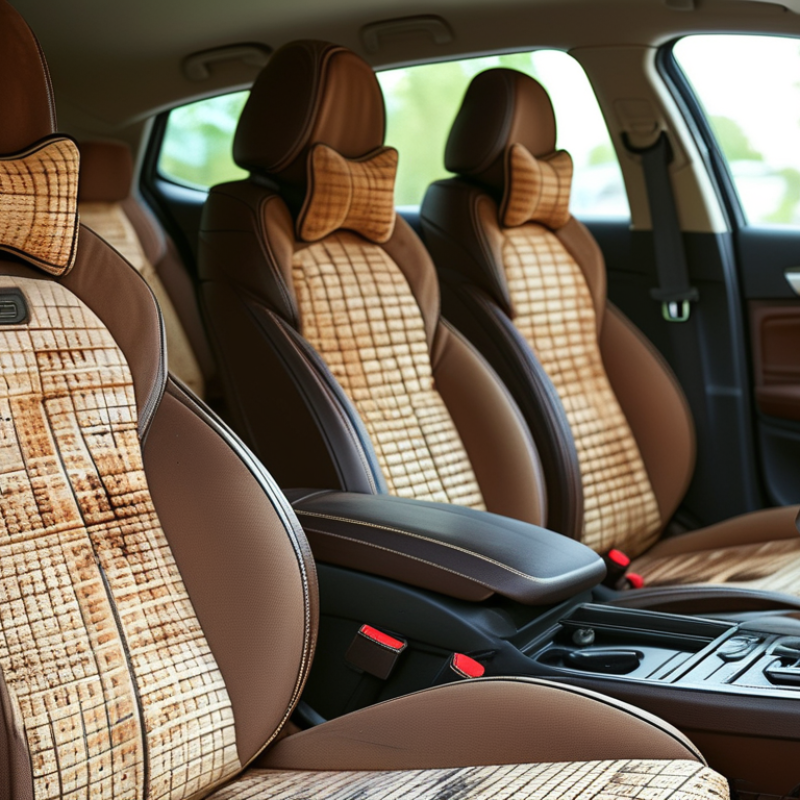
Car seat covers play a crucial role in ensuring safety and comfort. However, many car owners overlook their replacement frequency. Industry research suggests that seat covers should be replaced every two to three years for optimal safety. This timeline is crucial as materials can wear out and lose their protective features. With increased wear, seat covers may not provide adequate cushioning or support in the event of an accident.
Additionally, upholstery can accumulate dirt, allergens, and bacteria over time. According to a report by the Institute of Automotive Safety, older covers may harbor up to 60% more contaminants than newer ones. This can lead to health hazards, particularly for children. Fresh covers not only enhance safety but also create a cleaner driving environment.
Regular checks on your car seat covers are essential. Visually inspect for cracks, tears, or fading. Such signs often indicate that a replacement is overdue. It's important to consider the specific needs of your vehicle and its usage patterns. After all, personal safety on the road begins with a well-maintained car interior.
Car seat covers play a vital role in vehicle safety. Their lifespan can depend on several factors. One crucial aspect is material quality. High-quality fabrics can last longer, but they can be more expensive. Cheaper options might wear out quickly, leading to potential safety hazards.
Another factor is exposure to elements. Sunlight can fade and degrade materials. Frequent exposure to moisture can cause mold and mildew. Regular cleaning can help maintain covers, but over time, even the best materials can show signs of wear. This degradation can compromise effectiveness in an accident.
User behavior also affects lifespan. People often overlook small tears or stains. Ignoring these issues can lead to larger problems. Regular checks for any damage are essential. Strive for a proactive approach in caring for your car seat covers. Not all options will suit every driver’s needs or budget. Understanding your specific situation is key.
Car seat covers play a crucial role in vehicle safety. Over time, wear and tear can compromise their effectiveness. Look for specific signs that indicate it’s time for a replacement.
Faded colors and worn-out edges often signal that car seat covers are losing their protective qualities. If you notice significant fading, the fabric may no longer provide the needed grip. Torn seams can increase the risk of injury during sudden stops. Also, check for stains that are impossible to clean. Lingering odors can suggest the presence of mold or bacteria.
Another red flag is discomfort while sitting. If the covers feel saggy or loose, they may not secure properly, which is crucial for passenger safety. A properly fitted cover should provide a snug feel. Reflect on how long you’ve been using your current covers. Regular inspections help ensure your vehicle remains safe for all passengers.
When it comes to car seat covers, safety standards are critical. Many people overlook their importance. A report by the National Highway Traffic Safety Administration (NHTSA) highlights that improperly fitted car seat covers can interfere with the proper functioning of airbags and seatbelts. This can increase the risk of injury during an accident.
A study from the Insurance Institute for Highway Safety (IIHS) shows that car seat covers should meet specific flammability standards. Covers not meeting these standards may pose a fire hazard in case of accidents. It's alarming that many covers sold in the market do not comply with these important safety measures. Always check if the seat covers are certified for safety.
While replacing car seat covers, many users choose aesthetics over safety features. This can be a serious oversight. Regular inspection of covers for wear and tear is essential. According to pediatricians, most families should replace them every 2 to 5 years, based on usage. However, ignoring visible signs of damage could compromise safety. Even a small rip could expose the original upholstery to harmful chemicals.
Maintaining car seat covers is vital for safety and longevity. Regular cleaning helps keep them looking fresh. Consider vacuuming debris weekly to avoid wear. Stains should be addressed immediately, using appropriate cleaners. This prevents damage and ensures your seats remain hygienic.
Inspecting the covers routinely is crucial. Look for tears or fading. These signs indicate it's time for a replacement. A compromised cover may not protect you in an accident. Yet, many ignore these issues until it’s too late.
Moreover, you should consider climate factors. Excessive heat can damage fabric over time. If you park outdoors a lot, that wear increases. Using sunshades can mitigate this. Additionally, rotating covers can help distribute wear evenly. Think about how you use your car. Frequent rides with kids or pets may require more extensive maintenance.
| Frequency of Replacement | Reason for Replacement | Maintenance Tips | Expected Longevity |
|---|---|---|---|
| Every 2-3 years | Wear and tear, stains | Regular vacuuming, spot cleaning | 2-3 years |
| Annually | Odor buildup, allergens | Deep cleaning, avoid food/drinks | 1 year |
| As needed | Accidents, major stains | Immediate cleanup, proper washing | Variable |
: Look for faded colors, worn edges, or torn seams. These indicate lost protective qualities.
Improperly fitted covers can interfere with airbags and seatbelts, increasing injury risk.
Regular inspections are essential. Check every few months for signs of damage or wear.
Stains, lingering odors, and a saggy feel are all significant red flags to consider.
Aesthetic appeal is tempting, but safety features should always come first for your protection.
Vacuum weekly and address stains immediately to prevent further damage.
Excessive heat can degrade fabric over time, especially if parked outdoors frequently.
Yes, generally every 2 to 5 years, based on usage, to ensure safety and cleanliness.
Replace them as mold can pose health risks and indicate deeper fabric degradation.
Yes, rotating covers can distribute wear evenly and prolong their lifespan.
When considering how often should car seat covers be replaced, it's essential to recognize that their lifespan can vary based on several factors including usage, material quality, and exposure to environmental elements. Regular wear and tear can diminish the protective features of car seat covers, making it necessary to periodically assess their condition.
Signs that indicate it's time for a replacement may include visible damage, fading, or an inability to properly secure the covers. Additionally, understanding safety standards for car seat covers can guide consumers in making informed decisions. To enhance longevity, regular maintenance practices should be adopted, ensuring that car seat covers remain effective in their protective role while also contributing to overall vehicle safety.

Xotiq Auto