How to Choose Seat Covers Based on Climate Needs?

Time:2026-07-24 Author:Ethan
0%

Choosing the right seat covers can be crucial for comfort and durability. Climate plays a significant role in this decision. As automotive upholstery expert Sarah Johnson states, “Understanding climate needs is vital for selecting the best seat covers.” Her insights guide us in navigating the options available.

When considering how to select seat covers for different climates, the material is key. For hot, humid areas, breathable fabrics like mesh or cotton are ideal. They allow air circulation and prevent overheating. In contrast, leather or vinyl may be more suitable for cold climates. These materials provide warmth and are better at resisting moisture and cold temperatures.

Reflecting on personal experiences can enhance this selection process. Many overlook the impact of local weather on their choices. It’s common to choose aesthetics over functionality, which can lead to discomfort. Always consider how environmental factors affect your daily use of seat covers. Ultimately, making an informed decision based on climate will save time and enhance your driving experience.
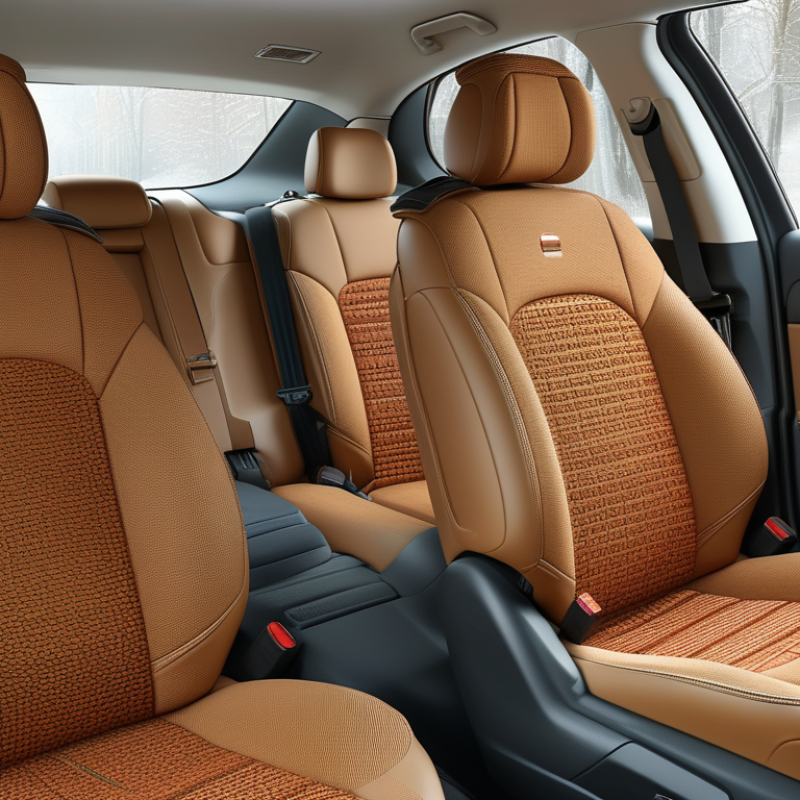
How to Choose Seat Covers Based on Climate Needs?

Factors to Consider When Choosing Seat Covers for Different Climates

Choosing the right seat covers requires careful consideration of your local climate. Hot, humid areas call for breathable materials. Look for fabrics that allow air circulation. This feature keeps you cool and prevents excessive sweating. Additionally, UV-resistant covers can protect your seats from sun damage during intense summer days.

Conversely, colder climates necessitate warm and cozy materials. Look for plush fabrics that offer insulation. These can keep you warm on chilly mornings. Waterproof options are invaluable for snowy regions. They protect against moisture and prevent mold growth. Neglecting to choose the right cover could lead to discomfort and wear over time.

Evaluate the climate where you live. This choice affects both comfort and the longevity of your seat covers. It’s crucial to invest time in researching materials. The wrong choice can leave you frustrated, reflecting a lack of consideration for your needs. Take the time to find the best fit for your conditions.

Impact of Weather Conditions on Seat Cover Materials and Durability

When selecting seat covers, the impact of weather conditions is crucial. Different climates require specific materials to ensure durability and comfort. In hot, humid areas, breathable fabrics like mesh are essential. They allow airflow and wick away moisture, preventing discomfort during long drives. In contrast, colder climates benefit from insulated materials. These fabrics trap heat, keeping the seats warm and cozy.

Tips: Consider a material that is easy to clean. In regions with heavy rainfall or snow, water-resistant covers protect against moisture. Regular exposure to water can cause mold and mildew buildup. Leather or synthetic options can be advantageous for easy maintenance.

Acknowledge that some materials may wear faster in extreme conditions. For instance, direct sunlight can fade colors and weaken synthetic fabrics. Regular upkeep, like cleaning and conditioning, can extend the lifespan of your seat covers. Evaluate your local climate and driving habits for the best choice. Your seat covers should not only look good but also withstand the elements.

How Temperature Extremes Affect Seat Cover Comfort and Protection

When selecting seat covers, temperature extremes play a crucial role in comfort and protection. In hot climates, breathable materials are essential. They allow air circulation, reducing heat buildup. Look for fabrics that wick moisture away. This can prevent sweat from clinging to the skin. Consider lighter colors too, as they reflect sunlight and help keep the interior cool.

In cold conditions, insulation becomes important. Thick, padded coverings can protect against frigid temperatures. They provide warmth and enhance comfort during winter drives. However, they may trap heat in the summer, leading to discomfort. Balance is key here. Some materials can be adjusted or replaced, adapting to seasonal changes.

Remember, every choice has its drawbacks. A breathable fabric might not insulate well. Conversely, a warm cover may be too hot in summer. Reflecting on your specific climate needs ensures you make the right decision. Comfort is not just about aesthetics; it’s about finding a functional match for the environment. Choose wisely for the best daily experience.

Benefits of UV Resistance and Moisture-Wicking Features in Seat Covers

When selecting seat covers, considering climate is vital. In areas with strong sunlight, UV-resistant materials are essential. These covers shield your seats from fading and cracking. They enhance the lifespan of your vehicle's interior, offering peace of mind. Moisture-wicking features also play a significant role, particularly in humid climates. They help avoid mildew and odors by quickly absorbing sweat and moisture.

Tips: Choose seat covers that offer both UV resistance and moisture-wicking properties. This combination ensures comfort in varying weather conditions. Look for breathable fabrics; they increase airflow, making the ride more enjoyable. Don't overlook the installation process. Ensure that the covers fit snugly to maximize their protective benefits.

Even the best materials have limitations. UV protection can wear off over time, especially with constant exposure. Regular maintenance is crucial. Protect your investment by cleaning your covers and checking for wear. Assessing their condition frequently helps you decide when to replace them.

How to Choose Seat Covers Based on Climate Needs

This chart illustrates the benefits of UV resistance and moisture-wicking features in seat covers based on different climates. The data represents the suitability of seat covers for various environmental conditions.

Seasonal Adjustments: Selecting Seat Covers for Year-Round Use

When selecting seat covers, climate is a major factor. Different weather conditions create distinct needs. For hot climates, breathable materials are essential. They allow air circulation, reducing heat buildup. In contrast, cooler regions need thicker, insulated covers that retain warmth. Durability is also a concern in areas with heavy rainfall or snow.

Tips: Look for materials that are easy to clean. Stains and spills can quickly ruin a nice interior. Opt for water-resistant fabrics if you live in a wet climate. It can save you from constant upkeep. Consider seasonal adjustments, too. You might want to switch covers as the weather changes. Lightweight covers in summer can be swapped for cozy options in winter.

For those in temperate areas, versatility is key. Choose seat covers that perform well in various conditions. However, finding a perfect balance can be tricky. Products may not always meet expectations. Pay attention to user reviews and material specifications. They can guide you toward better choices. Remember, the right covers enhance comfort and style. But don’t rush. Take time to reflect on your needs and preferences.

FAQS

: What materials are best for hot and humid climates?

: Look for breathable fabrics that allow air circulation. They help keep you cool and reduce sweating.

How can UV-resistant covers help your car seats?

They protect your seats from sun damage during intense summer days, prolonging their lifespan.

What should you consider for cold weather seat covers?

Choose warm, plush fabrics that provide insulation and keep you comfortable during chilly mornings.

Why are waterproof seat covers important in snowy regions?

They protect against moisture, preventing mold growth and damage to your seats from snow and water.

How do temperature extremes affect seat cover comfort?

In hot climates, breathable materials reduce heat buildup, while insulated covers are necessary for cold weather.

Can one material work well in both hot and cold climates?

Some materials can be adjusted, but balance is key; one may not perform well in both conditions.

What happens if you choose the wrong seat cover?

It can lead to discomfort and wear over time, showing a lack of consideration for your climate needs.

Are lighter colors better for seat covers in hot climates?

Yes, lighter colors reflect sunlight, helping to keep the interior cooler and more comfortable.

What could be the drawback of thick, padded seat covers?

They provide warmth in winter but may trap heat during summer, causing discomfort.

Why is it essential to evaluate your local climate before choosing seat covers?

Your choice affects comfort and longevity, making research crucial for a functional match to your conditions.

Conclusion

Choosing the right seat covers based on climate needs is essential for ensuring both comfort and protection. When considering how to select seat covers for different climates, several factors come into play. The weather conditions in your area greatly influence the materials used in seat covers. For instance, hot and humid climates may require breathable, moisture-wicking fabrics to prevent discomfort, while colder regions might benefit from thicker, insulating materials.

Temperature extremes can also affect the durability and comfort of seat covers; thus, selecting options that provide UV resistance and moisture-wicking capabilities is crucial. These features enhance the longevity of the covers and protect against fading and wear. Additionally, making seasonal adjustments ensures that the chosen seat covers remain functional year-round, adapting to changing weather conditions for optimal performance.

Ethan

Ethan

Ethan is a seasoned marketing professional with a deep expertise in our company's innovative product line. With a passion for sharing knowledge and insights, he takes the lead in regularly updating our corporate blog, where he explores industry trends, product features, and effective marketing......