When considering car seat accessories, the choice of materials is crucial. Understanding "what are the best materials for car seat accessories" can significantly enhance durability and comfort. Industry expert Sarah Thompson, a leading automotive interior designer, emphasizes, "Choosing high-quality materials ensures safety and longevity while riding."
Various materials offer unique benefits. Leather provides elegance but can be hard to maintain. On the other hand, breathable fabrics like mesh promote air circulation, combating heat during summer drives.
Additionally, eco-friendly options are gaining popularity. They are sustainable and reduce environmental impact. It’s essential to evaluate personal needs and preferences while exploring these materials. The right choice can dramatically improve your driving experience and the lifespan of your accessories. However, some may overlook critical factors such as noise resilience and ease of cleaning. Conducting thorough research and reflecting on past experiences will guide you in selecting the best material for your needs.
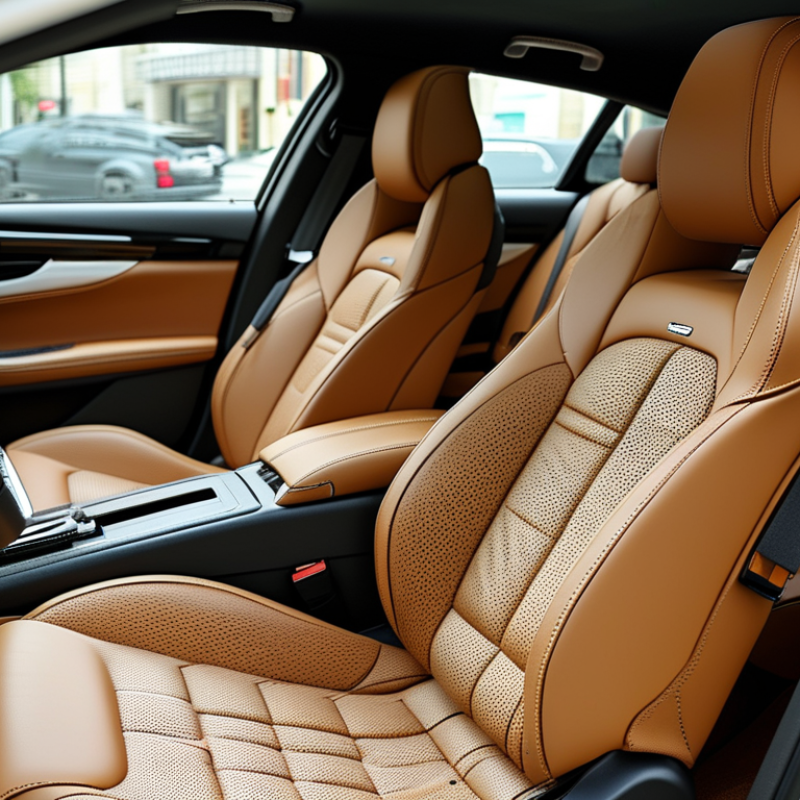
When choosing materials for car seat accessories, durability is key. Leather, for instance, offers a classic look but can be high maintenance. It requires regular care to prevent cracks and fading. On the other hand, synthetic materials like neoprene are water-resistant and easy to clean. They withstand spills and dirt, making them practical for families and outdoor enthusiasts.
Breathability is another important factor. Mesh fabrics promote airflow, reducing heat buildup in summer. However, they may lack the luxury feel of leather. Additionally, think about comfort. Foam pads enhance the seating experience, but they can wear out quickly if not made from high-quality materials.
While some materials provide excellent aesthetics, they might not be the most functional. Always weigh the pros and cons. Reflect on your daily needs. What works for someone else may not suit you. Ultimately, it's about finding the right balance between style and practicality to enhance your driving experience.
When considering car seat accessories, the choice between leather and fabric seat covers brings crucial factors into play.
Leather is often praised for its upscale appearance and easy cleaning. It adds a touch of elegance to any vehicle. However, it may not be as forgiving in extreme temperatures.
In hot weather, leather can become uncomfortable. It also requires diligent maintenance to keep it looking pristine.
Fabric seat covers, on the other hand, offer varied textures and patterns. They are often more breathable, making them comfortable in all seasons.
However, they can absorb spills and stains. This can make cleaning a tedious task. The choice often boils down to personal preference and lifestyle.
For families with kids or pets, fabric might be the more suitable option. Leather could be a great choice for those who value a refined look.
But it’s vital to consider comfort. Each material has its pros and cons. Understanding how they fit into daily use is critical.
When considering car seat accessories, breathability and maintenance are crucial factors, especially regarding the fabrics used. Polyester and nylon stand out as popular choices for upholstery. Polyester is known for its durability and resistance to stains. It can withstand wear while providing a comfortable surface. This fabric is also easy to clean, making it a practical option for families with children or pets.
Nylon, on the other hand, offers excellent breathability. This quality ensures that air circulates effectively, preventing moisture buildup. For long drives, this can significantly enhance comfort. However, nylon can be prone to fading over time, especially in direct sunlight. Consumers must weigh aesthetic considerations against practical use when choosing this material.
Both polyester and nylon have their advantages and drawbacks. Some users may find that polyester doesn’t breathe as well as nylon, resulting in a warmer seat. Others might prefer the breathability of nylon but struggle with its maintenance. The choice between these two materials often comes down to personal preferences and lifestyle needs. Understanding these nuances can lead to better decisions for car seat accessories.
| Material | Breathability | Maintenance | Durability | Comfort |
|---|---|---|---|---|
| Polyester | Good | Easy to clean, machine washable | Moderate | Soft, but can feel synthetic |
| Nylon | Excellent | Stains less, quick drying | High | Very comfortable and flexible |
| Cotton Blend | Fair | Requires more maintenance, prone to stains | Moderate | Very soft and breathable |
| Leather | Good (depends on treatment) | Requires special cleaners, conditioning | Very high | Luxurious feel |
When choosing car seat accessories, eco-friendly materials are gaining popularity. Biodegradable and recycled materials are essential options. These materials help reduce waste and promote sustainability. For instance, seat covers made from recycled plastics provide durability with a lower environmental impact. Many drivers appreciate these choices, knowing they contribute positively to the planet.
Biodegradable materials, like natural fibers, break down more easily than traditional fabrics. These fibers are often derived from plants, making them a sustainable alternative. However, their durability can sometimes be a concern. While they offer environmental benefits, they may require more frequent replacement. It's a trade-off that many eco-conscious consumers face when selecting car accessories.
Exploring these options invites deeper reflection on our automotive choices. Each choice impacts our environment and resources. While we strive for sustainability, it’s important to consider practicality. Balancing eco-friendly options with functionality is crucial. We can lead more responsible lifestyles, yet we must navigate these complexities carefully.
When considering the materials for car seat accessories, safety standards become a priority. Fire resistance is crucial. The National Fire Protection Association (NFPA) indicates that synthetic materials common in upholstery can ignite quickly. According to a 2022 report, nearly 50% of car fire incidents were linked to cabin materials. Thus, selecting fire-resistant fabrics, such as treated polyester, significantly reduces risk.
Impact protection is another essential factor. Materials must absorb shock effectively. A 2023 study by the Automotive Safety Institute revealed that foam padding can reduce impact forces by up to 60%. Safety ratings show that vehicles with upgraded seat materials see a lower incidence of injury. Many cars use dual-density foams. While effective, not all products meet high safety benchmarks.
Take the time to assess materials diligently. Fire resistance and impact protection must not be overlooked. Factoring in these elements can elevate safety, but manufacturers often cut corners. Buyers should be cautious and informed. Regularly updated standards can help consumers make better decisions.
: Durability is essential. Consider breathability, comfort, and ease of maintenance as well.
Leather offers elegance but needs regular upkeep. It can become uncomfortable in hot weather.
Synthetic materials, like neoprene, are easier to clean and resistant to spills. They might lack luxury.
Foam pads enhance comfort but can wear out quickly without high-quality materials.
No, many common upholstery materials can ignite easily. Choose treated polyester for better safety.
Very important. Proper padding can reduce impact forces and enhance safety significantly.
It depends on personal need. Balancing style and practicality can improve your overall driving experience.
Yes, fabric covers can be more suitable for families due to varied textures and comfort but can stain.
Assess materials diligently. Pay attention to fire resistance and impact protection to make informed choices.
Some manufacturers cut corners. Always stay informed about updated safety standards and material performance.
When considering what are the best materials for car seat accessories, it's essential to evaluate a range of options based on durability, comfort, and practicality. Leather and fabric seat covers are popular choices, each offering distinct advantages; leather provides a luxurious feel and long-term resilience, while fabric offers comfort and a variety of aesthetic options. Additionally, materials like polyester and nylon contribute to breathability and ease of maintenance, making them suitable for various environmental conditions.
For those concerned about environmental impact, eco-friendly choices such as biodegradable and recycled materials are increasingly available in car accessories, aligning sustainability with functionality. Safety is also a critical consideration; assessing materials for their fire resistance and impact protection ensures that car seat accessories not only enhance comfort but also meet essential safety standards. Finding the right combination of these factors will lead to the best materials for your car seat accessories, enhancing both your driving experience and vehicle's interior.

Xotiq Auto